Best Torches for Pest Control Technicians in Australia (2026 Guide)
Pest control isn't just spraying and trapping - it's detective work. The right torch reveals what subjects, customers, and previous techs all missed: dried rodent urine glowing under UV in a roof cavity, fresh droppings tucked behind a cupboard, termite mud trails on a stud wall, possum scratches in a wall void. This guide covers the torches Australian pest control technicians actually use day-to-day, including the dedicated UV tools that make detection work genuinely faster and more thorough.
Why Pest Control Needs Specialist Lighting
Most pest detection happens in low-light, awkward spaces - roof cavities, subfloors, behind kitchen kickboards, inside wall voids, in commercial loading docks, and under industrial pallets. A generic torch lights these spaces up, but it doesn't help you find what you're actually looking for.
Two capabilities make the real difference for pest techs: UV light, which makes rodent urine, certain mould species, and many detection dyes fluoresce visibly, and hands-free high-output illumination, which lets you actually do the inspection work - cameras, measurements, baiting - while your light stays where you need it. A good pest control torch setup is usually two or three tools rather than one.
What to Look for in a Pest Control Torch
True 365-395nm UV
Rodent urine, fluorescent leak dyes, and many moulds glow under proper UV. Look for 365-395nm wavelength - cheap "UV" LEDs at 400nm+ won't work.
Hands-Free Headlamp
Roof cavities, subfloors, and tight crawl spaces need both hands free - for cameras, traps, bait stations, and moving insulation. A quality headlamp is essential.
Focused Throw Beam
Long roof spaces and large commercial sites need a beam that reaches 200m+ to scan distant corners without crawling the whole length first.
Compact Backup
A pocket-sized torch for quick checks - behind appliances, in cupboards, in customer-facing inspections where bulk isn't welcome.
USB-C Rechargeable
Long shifts and multiple jobs per day mean rechargeable beats disposables. USB-C lets you top up from a van charger between sites.
Tough Build
Pest control gear gets dropped in subfloors, banged on roof beams, and exposed to dust, water, and chemicals. Aircraft-grade aluminium and IP65+ ratings hold up.
UV detection is the game-changer for pest technicians. Dried rodent urine glows clearly under proper UV (365-395nm) - making it possible to map travel paths, find nest sites, and prove infestation evidence to customers. It's also useful for identifying certain moulds and finding pet stains. If you're not running UV in your kit, you're missing half the picture.
Our Top Torch Picks for Pest Control Technicians
All in stock at MaxBeam Australia with full Australian warranty support. Selected specifically for the demands of pest detection and treatment work. We've grouped our picks into handhelds, head torches, and UV/detection penlights so you can build a complete kit.
Handhelds
Sofirn SR23 (with UV)
The SR23 is purpose-built for inspection-heavy work. 3,300 lumens of bright white light handles roof cavities, subfloors, and commercial sites - and built into the same torch is a dedicated UV mode for rodent urine detection and mould identification. One torch covering both jobs means less to carry and less to swap between in the middle of an inspection. The first torch we'd recommend for most pest control techs.
Fenix PD36R Pro
For pure white light output, the PD36R Pro is hard to beat. 2,800 lumens in a pocket-sized body with USB-C charging and full IP68 waterproofing - perfect for techs who deal with wet subfloors, commercial washdown environments, or external pest work in any weather. Dual tail switch gives instant turbo access when you need to scan a long warehouse or large roof cavity in one sweep.
Head Torches
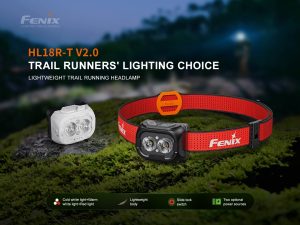
Nitecore HC65 UHE
When you need serious hands-free illumination - deep roof cavities, subfloors with insulation to move, treating long crawl spaces, or inspecting industrial sheds - the HC65 UHE delivers 2,000 lumens with a 222-metre beam throw. Flood and spot beams combined mean you get close-up clarity for trap placement AND long-distance throw for scanning the space first. The headlamp we recommend most often for pest techs.
UV & Detection Penlights
Weltool M6-UV Compact UV Penlight
A dedicated 395nm UV penlight built for serious detection work. Fits in a shirt pocket, runs on standard AAA batteries, and delivers focused UV light exactly where you need it - rodent urine in roof cavities, leak detection dyes in plumbing-related pest jobs, fluorescent mould signatures on timber and plaster. Always ready, no charging required, and pen-sized so it's the tool you'll actually have on you.
RovyVon Angel Eyes E8 Keychain Light
A triple-LED keychain torch with white light, UV (365nm), and red modes - everything a pest tech might want in a backup tool. Clip it to your keys, your work shirt, or your kit and it's always available for quick UV checks during customer-facing inspections where bigger torches feel intrusive. Rechargeable, hybrid power, and small enough to never be left behind.
Quick Comparison
| Torch | Type | Max Lumens | UV | Best For |
|---|---|---|---|---|
| Sofirn SR23 | Handheld | 3,300 | Yes | All-in-one pest control |
| Fenix PD36R Pro | Handheld | 2,800 | No | Pure white output |
| Nitecore HC65 UHE | Headlamp | 2,000 | No | Hands-free roof / subfloor |
| Weltool M6-UV | Penlight | - | 395nm | Dedicated UV detection |
| RovyVon Angel Eyes E8 | Keychain | 650 | 365nm | Backup with UV mode |
Buying Tips for Pest Control Technicians
Build a kit - don't rely on one torch
The best-equipped pest techs carry a layered setup: a handheld with built-in UV (like the SR23) as the primary tool, a headlamp for hands-free roof and subfloor work, and a dedicated UV penlight for focused detection. Add a keychain backup for customer-facing inspections where pulling out a big torch looks unprofessional. Each tool covers scenarios the others can't.
Get proper UV wavelength
Many cheap "UV" torches are actually 400nm+ violet LEDs that don't make biological material fluoresce properly. For real detection work, you need 365-395nm wavelength - both the Sofirn SR23 and Weltool M6-UV in our picks use proper detection-grade UV. If you can't see clear fluorescence on rodent urine in a known-active area, your UV torch isn't doing its job.
Run UV in low ambient light
UV fluorescence is far more visible in the dark. When you're inspecting a roof cavity or subfloor, turn off white light briefly and let your eyes adjust - urine trails, droppings, and dye markers will pop visibly. This is where dedicated UV penlights earn their place over UV modes on multi-mode torches.
Need help building a pest control kit? Message us on WhatsApp or call +61 452 508 808 - we work with pest control techs regularly and can recommend the right combination for your work.
Frequently Asked Questions
Does rodent urine actually glow under UV?
Yes - dried rodent urine contains compounds (mainly porphyrins and proteins) that fluoresce under 365-395nm UV light. Fresh urine fluoresces a pale blue-white; older urine often appears yellow or amber. It's one of the most reliable visual indicators of active rodent activity in roof cavities, subfloors, and behind kitchen cabinetry.
Can UV torches detect bed bugs?
Not directly - bed bugs themselves don't fluoresce. However, UV can sometimes help identify their droppings (which are protein-based) and certain shed skins. For bed bug detection, UV is a secondary tool - visual inspection, monitors, and detection dogs remain primary methods.
What's the difference between 365nm and 395nm UV?
365nm is closer to true UV-A and produces stronger fluorescence with less visible violet light bleeding through - making it better for serious detection work. 395nm is much more common in consumer torches, produces noticeable violet light, but still works for most pest detection applications. For pest control specifically, either works well - both the Weltool M6-UV (395nm) and RovyVon E8 (365nm) in our picks are effective.
Do I need a headlamp AND a handheld?
For serious pest work, yes. Roof cavity and subfloor inspections need both hands free for cameras, traps, bait stations, and moving insulation - a headlamp covers this. A handheld lets you direct light precisely into wall voids, behind appliances, and into dark corners where a head movement isn't enough. Most pest techs we work with use both daily.
Are these torches suitable for confined-space work?
Yes - all the torches in this guide are LED-based and don't pose ignition risks in typical pest control environments. For specialised confined-space or hazardous-atmosphere work (e.g. grain silos, certain industrial sites), check that your torch is rated for the specific environment. Standard pest work in residential and most commercial buildings is well-covered by the torches listed here.
Are MaxBeam torches covered by Australian warranty?
Yes - every torch sold by MaxBeam Australia comes with full Australian warranty support. You deal with us directly, not an overseas distributor. Most brands we carry offer 2-5 year warranties. Contact us if you ever have an issue.
Build Your Pest Detection Kit
Free shipping on orders over $99 - Australian warranty on every torch - Expert advice available
Shop Pest Control Torches💬 Prefer to chat? Message us on WhatsApp