Night Hiking Essentials: How to Select the Perfect Flashlight for Bushwalking
Choosing a hiking flashlight isn't about buying the brightest light on the shelf. The best torch for night bushwalking is the one that lights the trail the way you actually walk it — hands-free, with the right beam, enough regulated runtime to outlast your hike, and a build that shrugs off rain and knocks. This guide walks through what actually matters when you choose a light for the bush, so you end up with one that earns its place in your pack.
What to weigh up when choosing a hiking flashlight
Brightness isn't everything
Lumens measure total output, but more isn't always better — high output drains the battery fast. A usable, regulated mid-range output you can sustain beats a headline turbo figure you'll rarely use.
Beam pattern
A wide flood lights the ground around you for camp and footing; a tighter spot reaches ahead for route-finding and trail markers. The ideal trail light offers a bit of both.
Runtime and power
USB-C rechargeable is ideal for regular hikers; carry a spare cell for remote multi-day trips. Check honest runtime on a usable setting, not just peak output.
Durability and sealing
The bush brings rain, dew, dust and the odd drop. Look for an impact-resistant body and at least an IP66 or IP67 rating so weather isn't a worry.
Size and weight
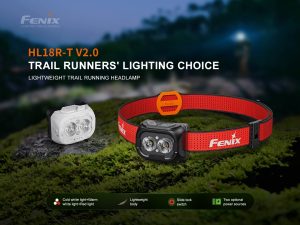
Every gram counts on a long walk. A lightweight headlamp you'll happily carry beats a heavier, brighter torch that stays in the pack.
Useful extras
A red-light mode preserves night vision and doesn't disturb wildlife or campmates; a lock-out function prevents accidental drain in your pack.
For bushwalking, the single best choice is usually a headlamp — it keeps both hands free for poles, scrambling and your map. Then match the beam and runtime to your hike rather than chasing lumens. A regulated mid-output light with a red mode covers the vast majority of night walks.
The criteria in more detail
Lumens and beam, in balance
Think of lumens as how much light and beam pattern as where it goes. A 1000-lumen torch with a pure flood lights your feet but not the trail ahead; the same lumens with some throw lets you pick out a marker or a turn. For most night hiking, a flood-biased beam with enough reach to see 20–30 metres ahead is the sweet spot. If you want to understand how reach is actually measured, see our guide to beam distance and candela.
Power and runtime
Rechargeable USB-C lights are the practical choice — you top up from a power bank or the car and never buy disposables. For remote multi-day trips, choose a model that also takes a standard cell, or carry a charged spare, and always plan your runtime around a usable setting rather than the turbo figure on the box.
Durability and weather
Rain, dew and the occasional drop are part of bushwalking. An IP66 or IP67 rating handles wet weather, while IP68 adds submersion protection for water crossings. Our IP rating guide explains what each number actually protects against.
How to choose, by the kind of hiking you do
| Hiker | Priority | Look for |
|---|---|---|
| Day hiker | Simplicity and weight | Lightweight headlamp, USB-C, red mode |
| Multi-day trekker | Runtime and reliability | Regulated output, spare-cell option, IP67 |
| Trail runner | Weight and stability | Ultralight, bounce-free fit, regulated beam |
| Camp and base | Soft area light | Flood beam or lantern, long runtime, red mode |
A simple way to decide
1. Start with a headlamp
For hands-free walking it's the right tool nine times out of ten. Add a small handheld only if you want extra reach for route-finding.
2. Match beam and runtime to your trip
Pick a flood-biased beam with some throw, and confirm the regulated runtime comfortably covers your longest expected night section with margin to spare.
3. Check the build and the extras
Confirm an IP66+ rating, a comfortable weight, and useful features like a red mode and lock-out. Then you've got a light that fits the way you actually hike.
Want our specific recommendations rather than the criteria? Our hiking headlamp guide lists the models we suggest most for hikers, trail runners and campers — or message us on WhatsApp and we'll match one to your trips.
Frequently asked questions
How many lumens do I need for night hiking?
Less than the spec wars suggest. A regulated output of a few hundred lumens lights a trail well, and beam pattern matters as much as brightness. Prioritise sustained, usable output over a high turbo figure you can't hold for long.
Is a headlamp or a handheld torch better for bushwalking?
A headlamp, in almost all cases — it keeps both hands free for poles, scrambling and your map. A small handheld is a useful backup or extra long-range spotter, but the headlamp does the main work.
What beam pattern is best for hiking?
A flood-biased beam with some throw. The flood lights your footing and immediate surroundings, while a touch of throw lets you pick out trail markers and turns 20–30 metres ahead.
What IP rating should a hiking flashlight have?
At least IP66 or IP67 to handle rain and dew, and IP68 if you cross rivers or expect submersion. See our IP rating guide for what each level covers.
Which hiking headlamp should I actually buy?
Our hiking headlamp guide covers the models we recommend for hiking, trail running and camping, all genuine Australian stock with full Australian warranty — not grey-market import.
Find the Right Light for the Trail
Free shipping on orders over $99 — Australian warranty on every torch — Expert advice available
Shop Hiking Headlamps💬 Prefer to chat? Message us on WhatsApp